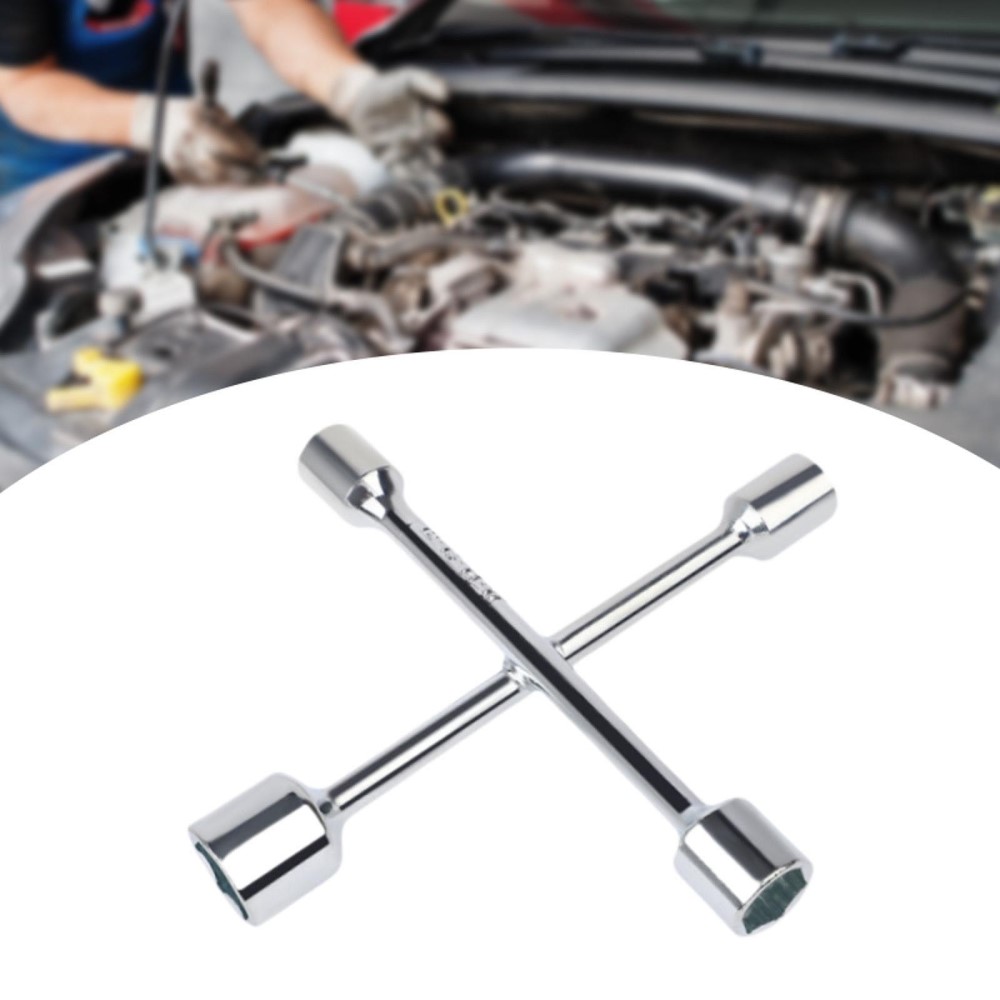
Changing a flat tire is a common roadside task. Having the right tools makes it faster and safer. One of the most reliable options is the 4 way lug wrench. This sturdy, cross-shaped tool features four different socket sizes on each arm. It fits most vehicle lug nuts. Its design provides excellent leverage and control. As a result, it’s a favorite among drivers, mechanics, and emergency responders.
Moreover, the 4 way lug wrench stands out for its durability and simplicity. Unlike battery-powered tools or compact X-wrenches, it requires no charging. It won’t strip bolts when used correctly. Many car owners keep one in their trunk alongside the spare tire. Whether you’re on a highway or rural road, this tool helps you get back on track quickly. This guide covers everything you need to know. We’ll explore types, uses, safety tips, maintenance, and why every driver should own one. Understanding how to use a 4 way lug wrench boosts confidence during unexpected breakdowns.
 Understanding How a 4 Way Lug Wrench Works
Learn the Design and Mechanical Advantage
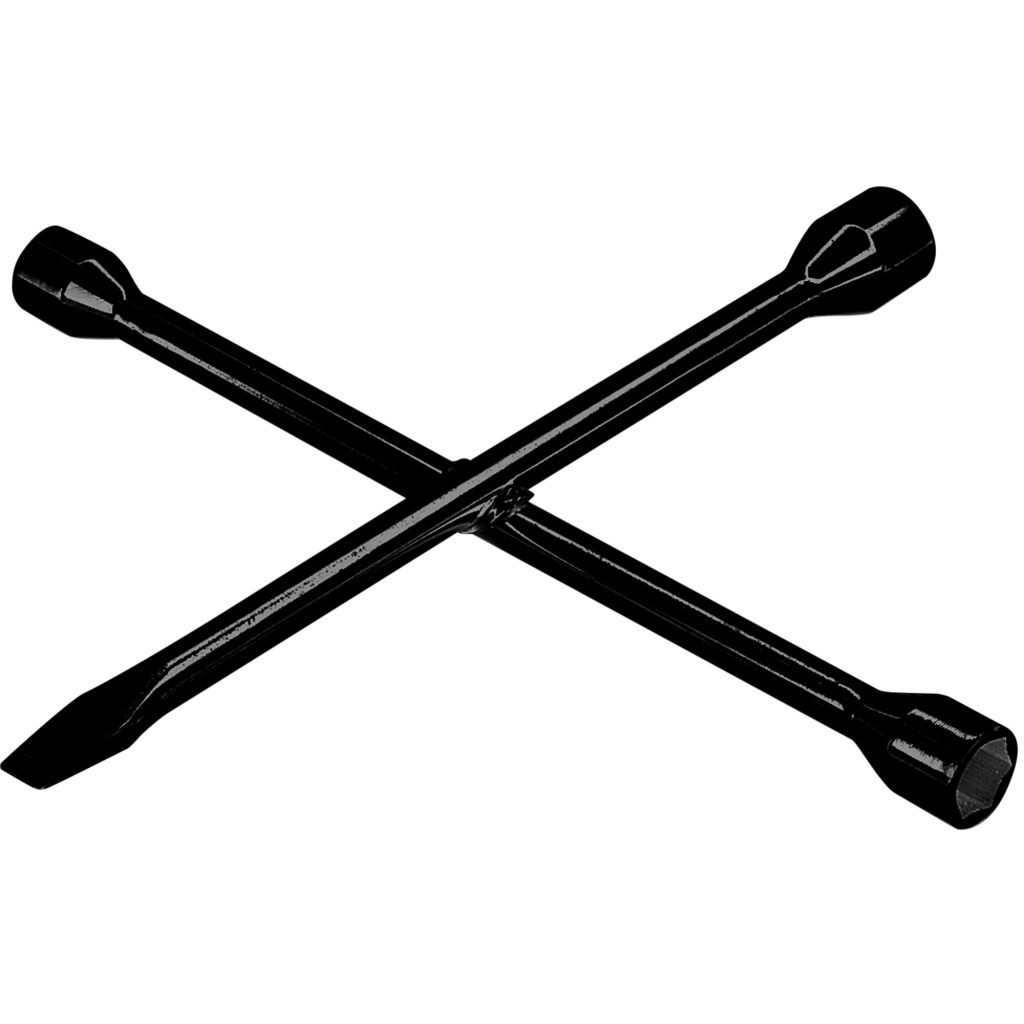
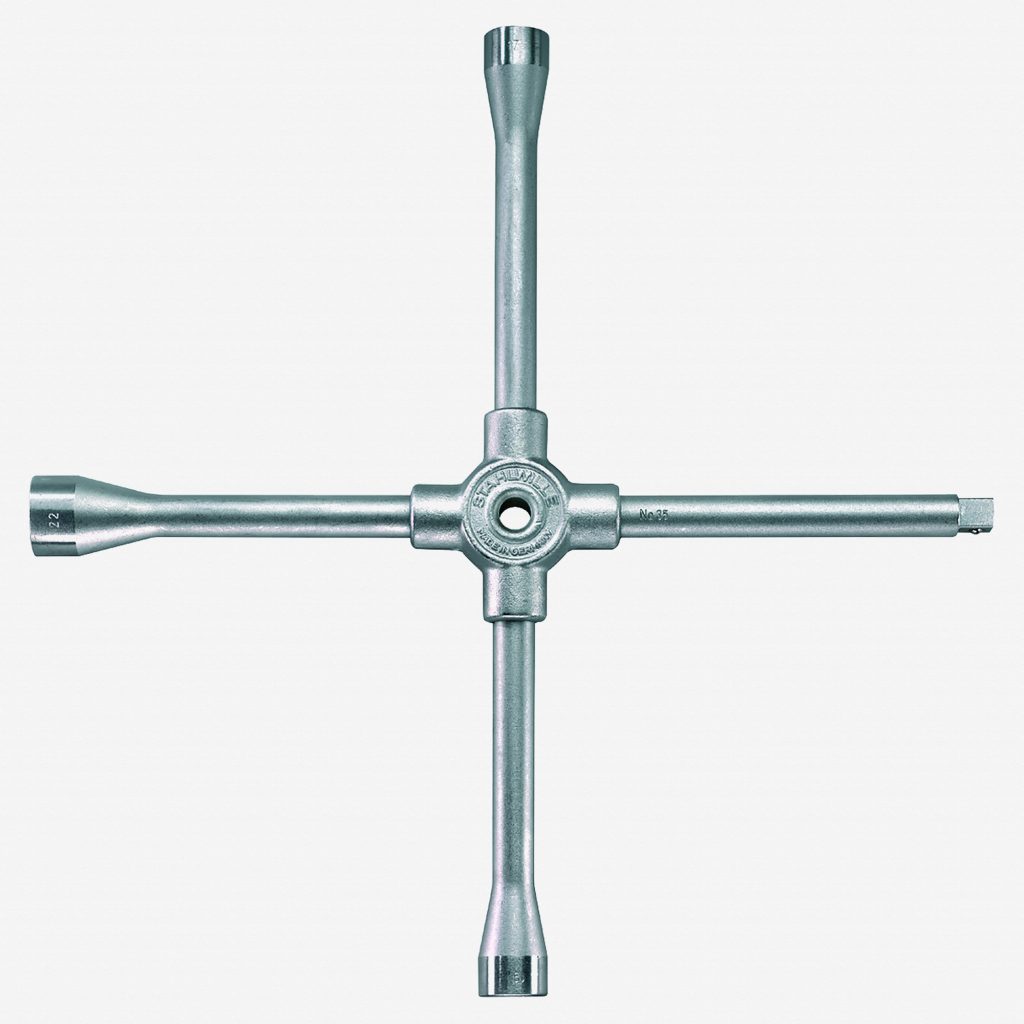
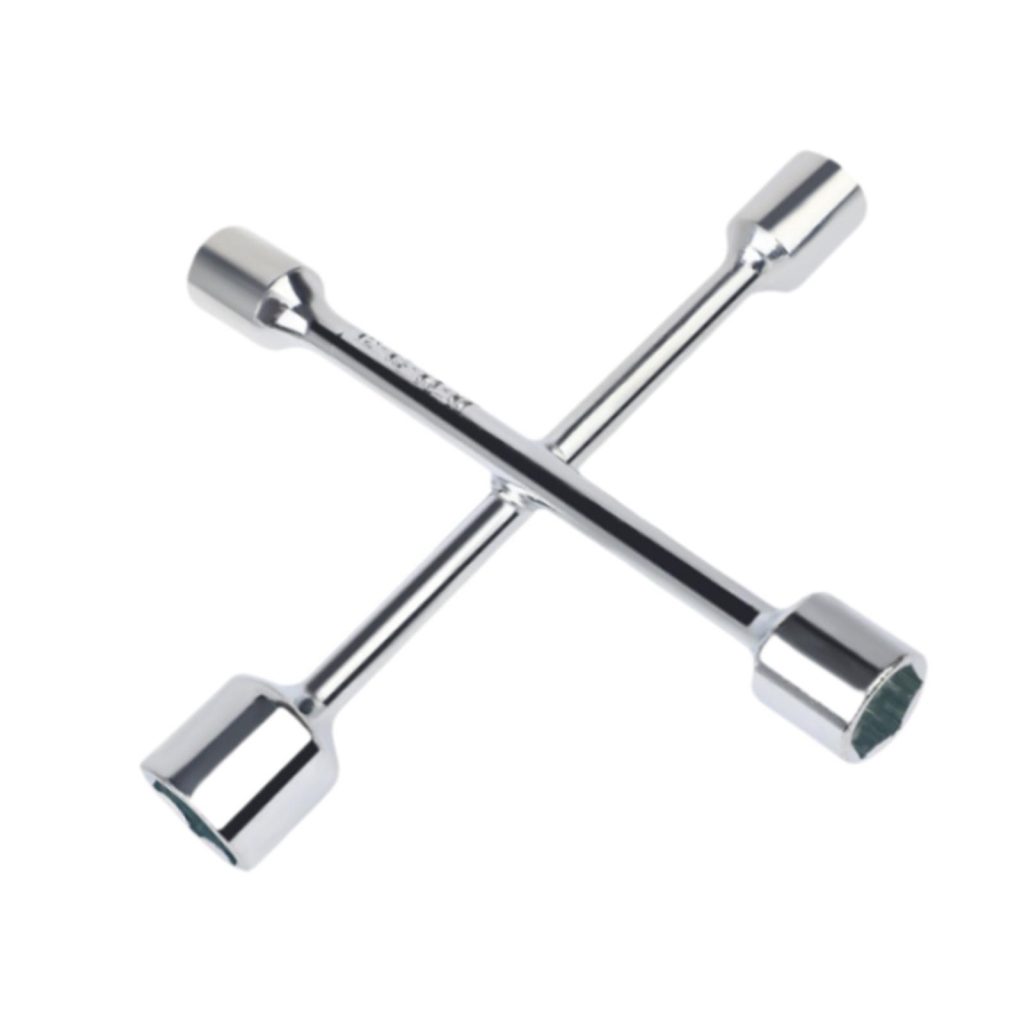
The 4 way lug wrench has a simple but powerful structure. It looks like a cross or “X” with four arms. Each end holds a different sized socket. Common sizes include 17mm, 19mm, 21mm, and 23mm. These fit most cars, trucks, SUVs, and vans. You rotate the wrench to match the correct socket to your lug nut.
Its long handles give mechanical advantage. Leverage reduces effort when loosening tight lugs. Apply steady downward or upward pressure. Avoid sudden jerks. This prevents slipping and injury.
The center hub connects all arms. It’s usually made from forged steel. This resists bending under force. High-quality models have chrome plating. This fights rust and improves grip.
You can also attach a pipe extension over the handle. This increases torque for stubborn nuts. Just slide a metal pipe onto one arm. Use it as a breaker bar. Remove it once the nut breaks loose.
Some versions include a rubber handgrip. This reduces vibration and fatigue. Others have built-in level indicators. These help maintain straight turning motion.
Unlike small factory tools, the 4 way lug wrench doesn’t flex or twist. It stays rigid even under high pressure. This ensures consistent contact with the bolt head.
Its shape allows multiple grip positions. You can push down, pull up, or turn sideways. This flexibility helps in tight spaces.
This tool works without power or batteries. It’s always ready when needed.
Why Choose a 4 Way Lug Wrench Over Other Types
Compare Strength, Durability, and Usability
Many vehicles come with small L-shaped wrenches. These are lightweight but weak. They often lack leverage. Users struggle to loosen over-torqued or rusted lugs. In contrast, the 4 way lug wrench delivers more power. Its longer arms make a big difference.
Socket wrenches with ratchets are useful. However, they require extra parts—sockets, bars, and cases. More pieces mean more things to lose. The 4 way lug wrench is self-contained. No attachments needed. Everything is built-in.
Breaker bars offer strength. But they only fit one socket at a time. You must carry separate sockets. The 4 way lug wrench includes four sizes in one tool. This saves space and speeds up changes.
Impact wrenches work fast. But they run on air or electricity. If your car battery is dead, they fail. The 4 way lug wrench needs no external power. It works in any condition.
Compact X-lug wrenches exist too. But their short arms limit leverage. You may not generate enough force. The 4 way lug wrench avoids this issue. Long arms ensure better performance.
It also balances well. You can roll it into position under the car. Some models stand upright for easy access.
Durability is another win. Forged steel resists wear. Plastic-coated versions protect against corrosion.
Storage matters too. It fits easily in trunks or under seats. No bulky case required.
For reliability, simplicity, and strength, the 4 way lug wrench wins.
 Correct Technique for Using a Lug Nut Wrench
Follow Safe Steps to Loosen and Tighten Lug Nuts
Using a 4 way lug wrench properly prevents damage and injury. First, park on a flat, stable surface. Turn on hazard lights. Place wheel chocks behind the rear tires. This stops the car from rolling.
Next, remove the hubcap or wheel cover. Use a screwdriver or the wrench’s edge if needed. Expose the lug nuts. Make sure the 4 way lug wrench matches their size. Test each socket until one fits snugly.
Position the wrench so one arm points up. Stand on either side. Apply body weight slowly. Push down firmly. Do not jump or strike the tool. This risks breaking studs.
Loosen each nut in a star pattern. Start with one, then move to the opposite side. This keeps pressure even. Never remove all at once. Always break them loose before lifting the car.
Use a jack to lift the vehicle. Support it with jack stands. Never crawl under a car held by a jack alone.
After removing the flat tire, install the spare. Hand-thread the lugs first. Then tighten them partially using the 4 way lug wrench. Again, follow the star pattern.
Lower the car. Finish tightening fully. Recheck after driving 50 miles.
Always store the tool dry. Clean off dirt and moisture.
Good technique protects both you and your vehicle.
Common Uses Beyond Changing a Flat Tire
Perform Maintenance and Emergency Repairs
While changing flats is the main job, the 4 way lug wrench does more. Mechanics use it during brake inspections. Removing wheels gives access to rotors and calipers. A strong tool speeds up service time.
Racers and off-roaders rely on it too. They swap tires based on terrain. Mud-terrain tires go on for trails. All-terrain or street tires return for daily drives. Quick changes save time.
Fleet managers keep them in service vans. Drivers rotate tires regularly. This extends tread life. Uniform wear improves fuel economy. The 4 way lug wrench supports scheduled maintenance.
Truckers use it on long hauls. Roadside repairs are part of the job. Carrying a durable tool reduces delays. Many commercial rigs have larger lug sizes. Specialized 4 way lug wrenches accommodate these.
DIYers use it for cleaning rims. Brake dust builds up over time. Removing the wheel allows deep cleaning. Polish spokes and calipers safely.
Trailers also need attention. Towing stresses wheels. Check lug tightness monthly. Use the 4 way lug wrench to re-torque connections.
Even law enforcement uses it. Officers inspect vehicles during stops. They check tire conditions. A quick visual isn’t enough. Sometimes, removal is necessary.
Boat trailers face corrosion. Saltwater rusts metal fast. Regular checks prevent accidents.
These tasks show the 4 way lug wrench is more than an emergency tool.
 Choosing the Right Size and Build Quality
Match Sockets to Your Vehicle and Driving Needs
Not every 4 way lug wrench fits all vehicles. First, check your car’s lug nut size. Open the manual or measure with a caliper. Most passenger cars use 17mm or 19mm. Trucks and SUVs often need 21mm or 23mm.
Look for a model that includes your sizes. Some feature dual-sided sockets. Each arm has two sizes. This doubles usability. Four arms mean eight possible fits.
Material matters. Forged steel is strongest. It withstands heavy force. Cast steel is cheaper but may crack. Avoid aluminum for high-torque jobs.
Finish affects grip and rust resistance. Chrome-plated versions resist moisture. Powder-coated ones add texture. Rubber grips improve handling.
Weight influences portability. Heavier wrenches offer more inertia. Lighter ones are easier to carry. Find a balance.
Length impacts leverage. Longer arms reduce effort. Standard lengths range from 18 to 24 inches. Pick based on storage space.
Check socket depth. Deep sockets fit over protruding studs. Shallow ones work on flush-mounted lugs.
Replace worn sockets. Rounded edges slip and damage bolts. Buy replacement arms if available.
Buy from trusted brands. Look for lifetime warranties. Read customer reviews. Real users report durability and fit accuracy.
The right choice ensures years of reliable service.
Maintaining Your Lug Nut Wrench
Keep It Clean, Lubricated, and Ready
A well-maintained 4 way lug wrench lasts decades. Start by cleaning after each use. Wipe off mud, salt, and grease. Use a damp cloth. Dry thoroughly. Moisture causes rust.
Apply light machine oil to sockets and joints. This prevents corrosion. Focus on areas where metal meets metal. Wipe off excess to avoid attracting dust.
Store in a dry place. Trunks get hot and humid. Use a plastic bin or tool bag. Keep it away from water-based items.
Inspect regularly. Look for cracks, bends, or stripped sockets. Replace damaged parts early. Continuing to use a broken wrench risks injury.
Do not drop it. Hard impacts weaken structural integrity. If dropped, check alignment. Bent arms reduce effectiveness.
Keep it accessible. Don’t bury it under other gear. Place near the spare tire. Mark its location clearly. During emergencies, speed matters.
Avoid using it as a hammer or pry bar. These actions exceed design limits. Only use it for lug nuts.
Teach family members how to use it. Show children where it is stored. Explain basic steps. Everyone benefits from shared knowledge.
Proper care ensures readiness.
Never neglect maintenance.
 Where to Buy a Reliable Lug Nut Wrench
Shop Auto Stores, Online Retailers, and Specialty Brands
You can find a 4 way lug wrench in many places. Start with auto parts stores. O’Reilly, AutoZone, and Advance Auto carry top brands. Staff can help match sizes. See the tool in person. Test the grip and socket fit.
Online retailers like Amazon, Walmart.com, and Summit Racing offer wide selections. Filter by price, brand, and ratings. Look for models with high customer scores. Read comments about durability and fit.
Top brands include Tekton, GearWrench, and Husky. Tekton offers precision forging. GearWrench has patented jaw designs. Husky provides solid value with free replacements.
Industrial suppliers sell heavy-duty versions. Northern Tool and Grainger cater to professionals. Their wrenches handle fleet and truck applications.
Check for included accessories. Some kits come with gloves, valve caps, or storage bags. These add convenience.
Compare prices across platforms. Watch for sales during holidays. Black Friday and spring events bring discounts.
Avoid cheap imports with poor reviews. Weak metals strip easily. Poor finishes rust fast.
Buy once, buy right. Invest in quality.
A trusted source ensures product authenticity.
Frequently Asked Questions
Can I Use a 4 Way Lug Wrench on Any Car?
Most yes. Check lug nut sizes first. Compact cars may need smaller sockets. Larger trucks require bigger ones.
Should I Retorque Lugs After a Tire Change?
Yes. Drive 50 miles. Then retighten. Heating and settling affect clamping force.
Is a 4 Way Lug Wrench Better Than an Impact Wrench?
For emergencies, yes. It works without power. It’s simpler and more reliable in harsh conditions.
What If My Lug Nuts Are Rusted?
Soak them with penetrating oil. Let it sit 10 minutes. Use slow, steady pressure. Add a pipe extension if needed.
Can I Store It Outside the Vehicle?
Not recommended. Always keep it in your car. Emergencies happen far from home.
 Final Thoughts
Every driver should carry a 4 way lug wrench in their vehicle. It’s a proven, dependable tool for one of the most common roadside issues—flat tires. Its rugged build, multi-size sockets, and superior leverage make it stand out. From routine maintenance to urgent repairs, it delivers real value.
More than just a spare tool, it represents preparedness. Knowing how to use it reduces stress during breakdowns. It empowers independence. With proper care, it lasts for years.
Whether you drive a sedan, truck, or SUV, having a 4 way lug wrench means being ready for anything. Invest in quality. Learn the technique. Keep it close. When trouble strikes, you’ll be glad you did.